第 3 章 · 第 15 幕
蒸汽、鋼鐵和自由
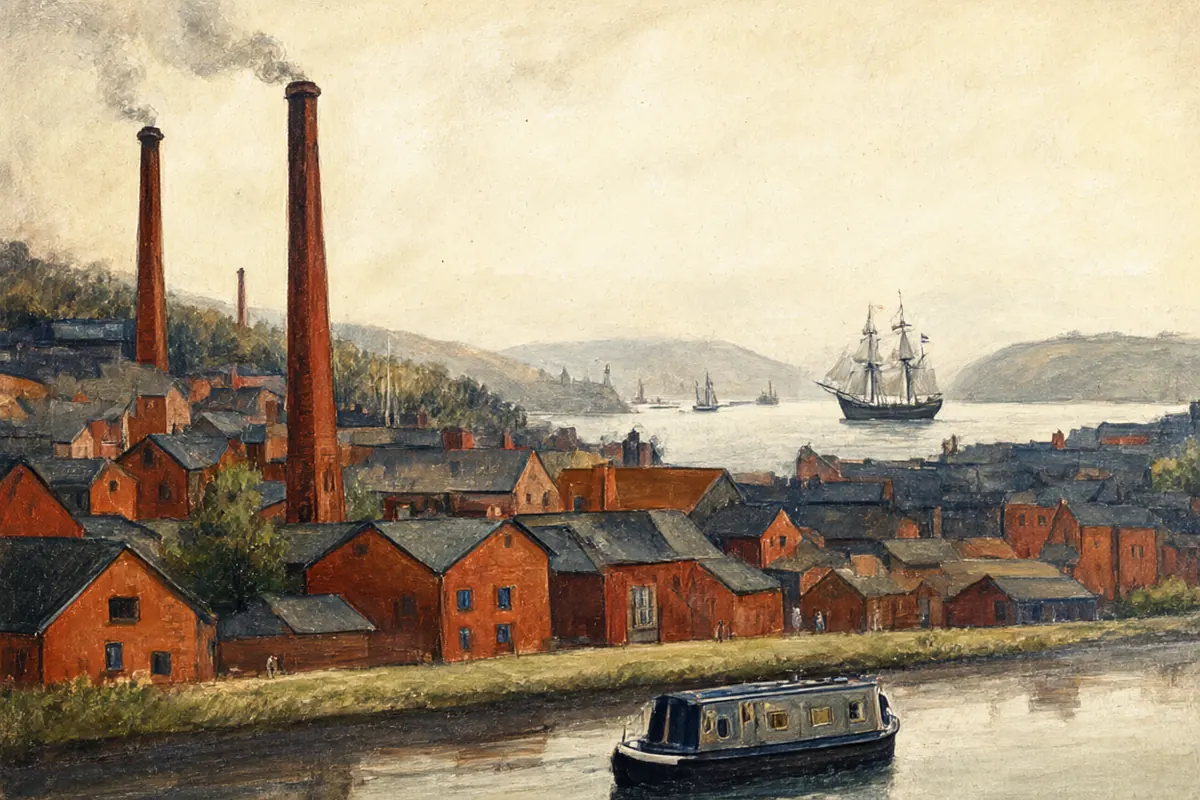
在18和19世紀,英國成為第一個大規模工業化的國家。蒸汽動力和新機器改變了農業和工廠工作,很多家庭離開鄉郊,到礦場和工廠工作。大量生產鋼鐵的貝塞麥煉鋼法(Bessemer process)推動了造船業和鐵路的發展。然而,這些財富部分建立在奴隸貿易之上:人們在惡劣的環境下被從西非(West Africa)運往美洲(America)和加勒比海地區(Caribbean)的種植園。貴格會教徒(Quakers)和國會議員威廉·韋伯福斯(William Wilberforce)反對奴隸貿易:1807年,用英國船隻或從英國港口販賣奴隸成為違法;1833年,整個大英帝國廢除了奴隸制。
英文原文
Steam, Steel and Freedom
In the 18th and 19th centuries Britain became the first country to industrialise on a large scale. Steam power and new machines changed farming and factory work, and many families left the countryside for mines and mills. The Bessemer process for mass-producing steel helped shipbuilding and the railways to grow. Yet this wealth depended in part on the slave trade, which carried people from West Africa in horrible conditions to plantations in America and the Caribbean. Quakers and the MP William Wilberforce fought it: in 1807 trading slaves in British ships or from British ports became illegal, and in 1833 slavery was abolished across the Empire.
檢驗一下
這一幕有 5 道題。你的答案會計入複習計劃。
正在載入題目…