باب 3 · منظر 15
بھاپ، فولاد اور آزادی
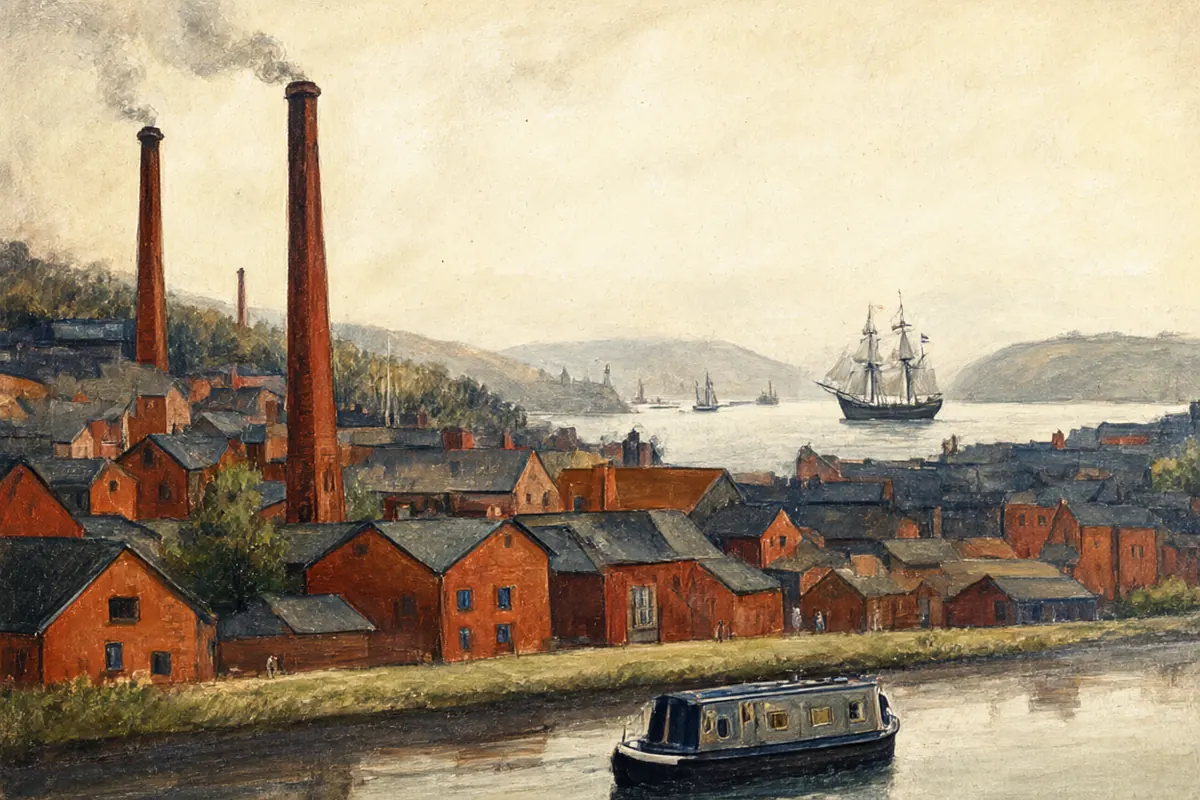
اٹھارہویں اور انیسویں صدی میں برطانیہ (Britain) بڑے پیمانے پر صنعتی بننے والا پہلا ملک بنا۔ بھاپ کی طاقت اور نئی مشینوں نے کھیتی باڑی اور کارخانوں کا کام بدل دیا، اور بہت سے خاندان دیہات چھوڑ کر کانوں اور ملوں کی طرف چلے گئے۔ بڑے پیمانے پر فولاد بنانے کے بیسیمر طریقے (Bessemer process) نے جہاز سازی اور ریلوے کو بڑھنے میں مدد دی۔ لیکن یہ دولت جزوی طور پر غلاموں کی تجارت (slave trade) پر منحصر تھی، جو لوگوں کو بھیانک حالات میں مغربی افریقہ (West Africa) سے امریکہ (America) اور کیریبین (the Caribbean) کے باغات تک لے جاتی تھی۔ کویکرز (Quakers) اور رکنِ پارلیمنٹ ولیم ولبرفورس (William Wilberforce) نے اس کے خلاف جدوجہد کی: 1807 میں برطانوی جہازوں میں یا برطانوی بندرگاہوں سے غلاموں کی تجارت غیر قانونی ہو گئی، اور 1833 میں پوری سلطنت میں غلامی ختم کر دی گئی۔
انگریزی اصل
Steam, Steel and Freedom
In the 18th and 19th centuries Britain became the first country to industrialise on a large scale. Steam power and new machines changed farming and factory work, and many families left the countryside for mines and mills. The Bessemer process for mass-producing steel helped shipbuilding and the railways to grow. Yet this wealth depended in part on the slave trade, which carried people from West Africa in horrible conditions to plantations in America and the Caribbean. Quakers and the MP William Wilberforce fought it: in 1807 trading slaves in British ships or from British ports became illegal, and in 1833 slavery was abolished across the Empire.
خود کو جانچیں
اس منظر پر سوالات: 5۔ آپ کے جوابات آپ کے دہرائی کے منصوبے میں شامل ہوتے ہیں۔
سوالات لوڈ ہو رہے ہیں…