第 3 章 · 第 15 幕
蒸汽、钢铁与自由
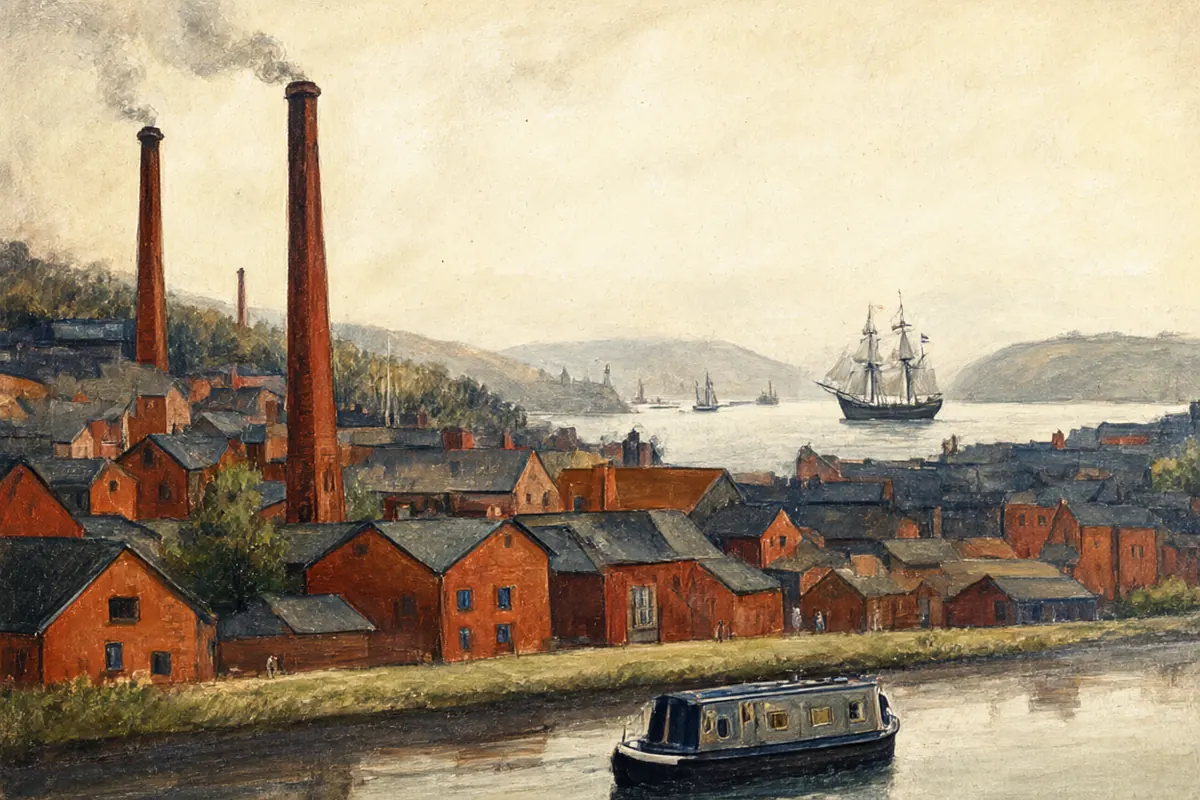
在18和19世纪,不列颠(Britain)成为第一个大规模实现工业化的国家。蒸汽动力和新机器改变了农业和工厂劳动,许多家庭离开乡村,前往矿场和工厂。大规模生产钢材的贝塞麦炼钢法(Bessemer process)推动了造船业和铁路的发展。然而,这些财富部分依赖于奴隶贸易:人们在恶劣的条件下从西非(West Africa)被运往美洲(America)和加勒比地区(Caribbean)的种植园。贵格会教徒(Quakers)和议员威廉·威尔伯福斯(William Wilberforce)与之斗争:1807年,用英国船只或从英国港口贩卖奴隶成为非法行为;1833年,整个大英帝国(Empire)废除了奴隶制。
英文原文
Steam, Steel and Freedom
In the 18th and 19th centuries Britain became the first country to industrialise on a large scale. Steam power and new machines changed farming and factory work, and many families left the countryside for mines and mills. The Bessemer process for mass-producing steel helped shipbuilding and the railways to grow. Yet this wealth depended in part on the slave trade, which carried people from West Africa in horrible conditions to plantations in America and the Caribbean. Quakers and the MP William Wilberforce fought it: in 1807 trading slaves in British ships or from British ports became illegal, and in 1833 slavery was abolished across the Empire.
检验一下
这一幕有 5 道题。你的答案会计入复习计划。
正在加载题目…