ਅਧਿਆਇ 3 · ਦ੍ਰਿਸ਼ 15
ਭਾਫ਼, ਸਟੀਲ ਅਤੇ ਆਜ਼ਾਦੀ
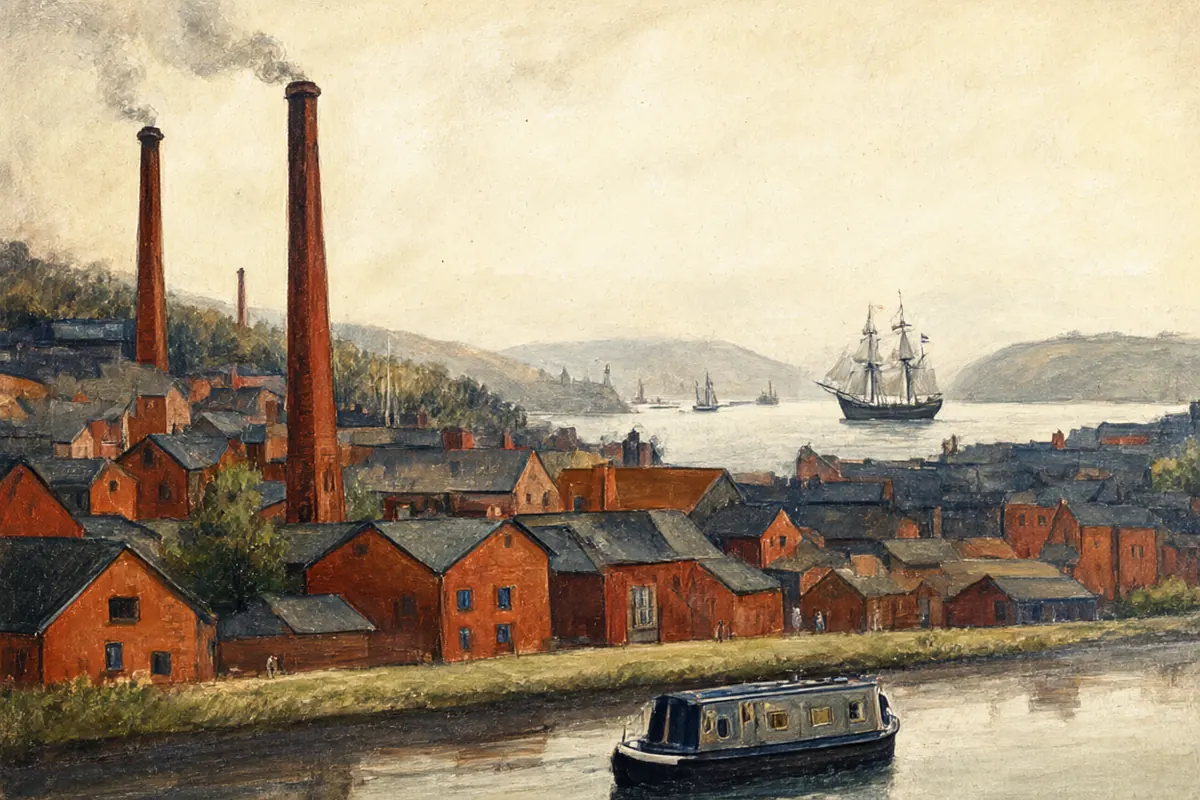
18ਵੀਂ ਅਤੇ 19ਵੀਂ ਸਦੀ ਵਿੱਚ ਬਰਤਾਨੀਆ (Britain) ਵੱਡੇ ਪੱਧਰ 'ਤੇ ਉਦਯੋਗੀਕਰਨ ਕਰਨ ਵਾਲਾ ਪਹਿਲਾ ਦੇਸ਼ ਬਣਿਆ। ਭਾਫ਼ ਦੀ ਸ਼ਕਤੀ ਅਤੇ ਨਵੀਆਂ ਮਸ਼ੀਨਾਂ ਨੇ ਖੇਤੀ ਅਤੇ ਕਾਰਖ਼ਾਨਿਆਂ ਦਾ ਕੰਮ ਬਦਲ ਦਿੱਤਾ, ਅਤੇ ਬਹੁਤ ਸਾਰੇ ਪਰਿਵਾਰ ਪਿੰਡ ਛੱਡ ਕੇ ਖਾਣਾਂ ਅਤੇ ਮਿੱਲਾਂ ਵੱਲ ਚਲੇ ਗਏ। ਵੱਡੀ ਮਾਤਰਾ ਵਿੱਚ ਸਟੀਲ ਬਣਾਉਣ ਦੀ ਬੈਸੇਮਰ ਪ੍ਰਕਿਰਿਆ (Bessemer process) ਨੇ ਜਹਾਜ਼ ਬਣਾਉਣ ਦੇ ਕੰਮ ਅਤੇ ਰੇਲਵੇ ਨੂੰ ਵਧਣ ਵਿੱਚ ਮਦਦ ਕੀਤੀ। ਪਰ ਇਹ ਦੌਲਤ ਕੁਝ ਹੱਦ ਤੱਕ ਗ਼ੁਲਾਮਾਂ ਦੇ ਵਪਾਰ (slave trade) 'ਤੇ ਨਿਰਭਰ ਸੀ, ਜੋ ਪੱਛਮੀ ਅਫ਼ਰੀਕਾ (West Africa) ਤੋਂ ਲੋਕਾਂ ਨੂੰ ਭਿਆਨਕ ਹਾਲਤਾਂ ਵਿੱਚ ਅਮਰੀਕਾ (America) ਅਤੇ ਕੈਰੇਬੀਅਨ (Caribbean) ਦੇ ਬਾਗ਼ਾਨਾਂ ਤੱਕ ਲੈ ਜਾਂਦਾ ਸੀ। ਕੁਏਕਰਾਂ (Quakers) ਅਤੇ ਐਮਪੀ (MP) ਵਿਲੀਅਮ ਵਿਲਬਰਫ਼ੋਰਸ (William Wilberforce) ਨੇ ਇਸ ਦਾ ਵਿਰੋਧ ਕੀਤਾ: 1807 ਵਿੱਚ ਬਰਤਾਨਵੀ ਜਹਾਜ਼ਾਂ ਵਿੱਚ ਜਾਂ ਬਰਤਾਨਵੀ ਬੰਦਰਗਾਹਾਂ ਤੋਂ ਗ਼ੁਲਾਮਾਂ ਦਾ ਵਪਾਰ ਗ਼ੈਰ-ਕਾਨੂੰਨੀ ਹੋ ਗਿਆ, ਅਤੇ 1833 ਵਿੱਚ ਪੂਰੇ ਸਾਮਰਾਜ (Empire) ਵਿੱਚ ਗ਼ੁਲਾਮੀ ਖ਼ਤਮ ਕਰ ਦਿੱਤੀ ਗਈ।
ਅੰਗਰੇਜ਼ੀ ਮੂਲ
Steam, Steel and Freedom
In the 18th and 19th centuries Britain became the first country to industrialise on a large scale. Steam power and new machines changed farming and factory work, and many families left the countryside for mines and mills. The Bessemer process for mass-producing steel helped shipbuilding and the railways to grow. Yet this wealth depended in part on the slave trade, which carried people from West Africa in horrible conditions to plantations in America and the Caribbean. Quakers and the MP William Wilberforce fought it: in 1807 trading slaves in British ships or from British ports became illegal, and in 1833 slavery was abolished across the Empire.
ਆਪਣੇ-ਆਪ ਨੂੰ ਪਰਖੋ
ਇਸ ਦ੍ਰਿਸ਼ ਬਾਰੇ ਸਵਾਲ: 5। ਤੁਹਾਡੇ ਜਵਾਬ ਤੁਹਾਡੀ ਦੁਹਰਾਈ ਯੋਜਨਾ ਵਿੱਚ ਜਾਂਦੇ ਹਨ।
ਸਵਾਲ ਲੋਡ ਹੋ ਰਹੇ ਹਨ…