ਅਧਿਆਇ 5 · ਦ੍ਰਿਸ਼ 37
ਅਦਾਲਤਾਂ ਅਤੇ ਜਿਊਰੀਆਂ
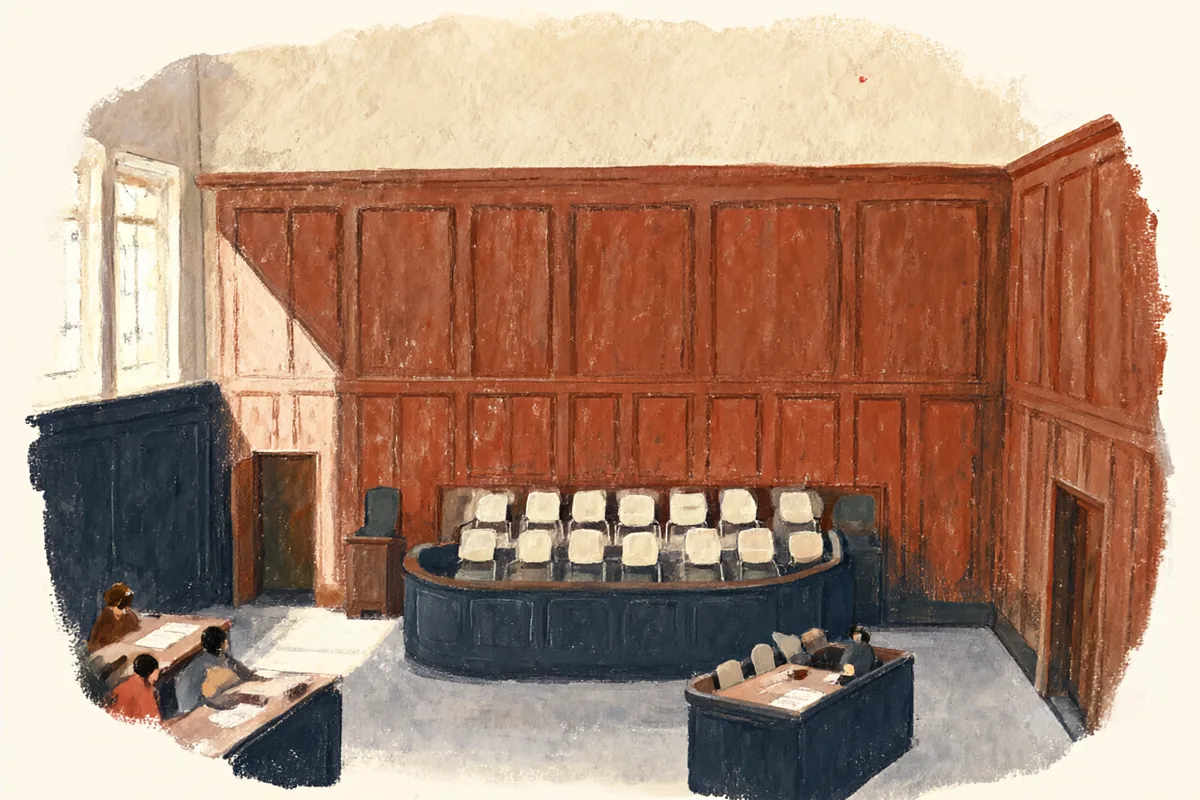
ਫ਼ੌਜਦਾਰੀ ਕਾਨੂੰਨ (criminal law) ਜੁਰਮਾਂ ਨਾਲ ਨਜਿੱਠਦਾ ਹੈ, ਜਦਕਿ ਦੀਵਾਨੀ ਕਾਨੂੰਨ (civil law) ਲੋਕਾਂ ਜਾਂ ਸਮੂਹਾਂ ਵਿਚਕਾਰ ਝਗੜੇ ਨਿਪਟਾਉਂਦਾ ਹੈ। ਜ਼ਿਆਦਾਤਰ ਛੋਟੇ ਫ਼ੌਜਦਾਰੀ ਕੇਸ ਮੈਜਿਸਟ੍ਰੇਟਸ ਕੋਰਟ (Magistrates' Court) ਵਿੱਚ ਜਾਂਦੇ ਹਨ, ਜਾਂ ਸਕਾਟਲੈਂਡ (Scotland) ਵਿੱਚ ਜਸਟਿਸ ਆਫ਼ ਦ ਪੀਸ ਕੋਰਟ (Justice of the Peace Court) ਵਿੱਚ। ਗੰਭੀਰ ਜੁਰਮਾਂ ਦੀ ਸੁਣਵਾਈ ਕ੍ਰਾਊਨ ਕੋਰਟ (Crown Court) ਵਿੱਚ ਜੱਜ ਅਤੇ ਜਿਊਰੀ ਕਰਦੇ ਹਨ, ਜਦਕਿ ਸਕਾਟਲੈਂਡ ਵਿੱਚ ਗੰਭੀਰ ਕੇਸ ਸ਼ੈਰਿਫ਼ ਕੋਰਟ (Sheriff Court) ਵਿੱਚ ਜਾਂਦੇ ਹਨ, ਜਿੱਥੇ ਸ਼ੈਰਿਫ਼ ਇਕੱਲਾ ਜਾਂ ਜਿਊਰੀ ਨਾਲ ਫ਼ੈਸਲਾ ਕਰਦਾ ਹੈ। ਜਿਊਰੀ ਵਿੱਚ 12 ਮੈਂਬਰ ਹੁੰਦੇ ਹਨ, ਸਕਾਟਲੈਂਡ ਵਿੱਚ 15, ਜੋ ਵੋਟਰ ਸੂਚੀ (electoral register) ਵਿੱਚੋਂ ਬੇਤਰਤੀਬੇ ਚੁਣੇ ਜਾਂਦੇ ਹਨ। ਉਹ 'guilty' (ਦੋਸ਼ੀ) ਜਾਂ 'not guilty' (ਨਿਰਦੋਸ਼) ਦਾ ਫ਼ੈਸਲਾ ਕਰਦੇ ਹਨ, ਅਤੇ ਸਕਾਟਿਸ਼ ਜਿਊਰੀਆਂ 'not proven' (ਦੋਸ਼ ਸਾਬਤ ਨਹੀਂ ਹੋਇਆ) ਵੀ ਕਹਿ ਸਕਦੀਆਂ ਹਨ; ਇੰਗਲੈਂਡ (England), ਵੇਲਜ਼ (Wales) ਅਤੇ ਉੱਤਰੀ ਆਇਰਲੈਂਡ (Northern Ireland) ਵਿੱਚ 10 ਤੋਂ 17 ਸਾਲ ਦੇ ਲੋਕ ਆਮ ਤੌਰ 'ਤੇ ਯੂਥ ਕੋਰਟ (Youth Court) ਵਿੱਚ ਜਾਂਦੇ ਹਨ। ਨੋਟ: 1 ਜਨਵਰੀ 2026 ਤੋਂ ਸਕਾਟਲੈਂਡ ਦੇ ਨਵੇਂ ਮੁਕੱਦਮਿਆਂ ਵਿੱਚ 'not proven' ਹੁਣ ਨਹੀਂ ਵਰਤਿਆ ਜਾਂਦਾ, ਪਰ ਟੈਸਟ ਅਜੇ ਵੀ ਹੈਂਡਬੁੱਕ ਦੀ ਪਾਲਣਾ ਕਰਦਾ ਹੈ।
ਅੰਗਰੇਜ਼ੀ ਮੂਲ
Courts and Juries
Criminal law deals with crimes, while civil law settles disputes between people or groups. Most minor criminal cases go to a Magistrates' Court, or in Scotland a Justice of the Peace Court. Serious offences are tried by a judge and jury in a Crown Court, while in Scotland serious cases go to a Sheriff Court, with a sheriff alone or with a jury. Juries have 12 members, or 15 in Scotland, picked at random from the electoral register. They decide 'guilty' or 'not guilty', and Scottish juries may also say 'not proven', while in England, Wales and Northern Ireland people aged 10 to 17 usually go to a Youth Court. Note: since 1 January 2026, new Scottish trials no longer use 'not proven', but the test still follows the handbook.
ਆਪਣੇ-ਆਪ ਨੂੰ ਪਰਖੋ
ਇਸ ਦ੍ਰਿਸ਼ ਬਾਰੇ ਸਵਾਲ: 5। ਤੁਹਾਡੇ ਜਵਾਬ ਤੁਹਾਡੀ ਦੁਹਰਾਈ ਯੋਜਨਾ ਵਿੱਚ ਜਾਂਦੇ ਹਨ।
ਸਵਾਲ ਲੋਡ ਹੋ ਰਹੇ ਹਨ…