第 3 章 · 第 17 幕
爭取投票權的漫長鬥爭
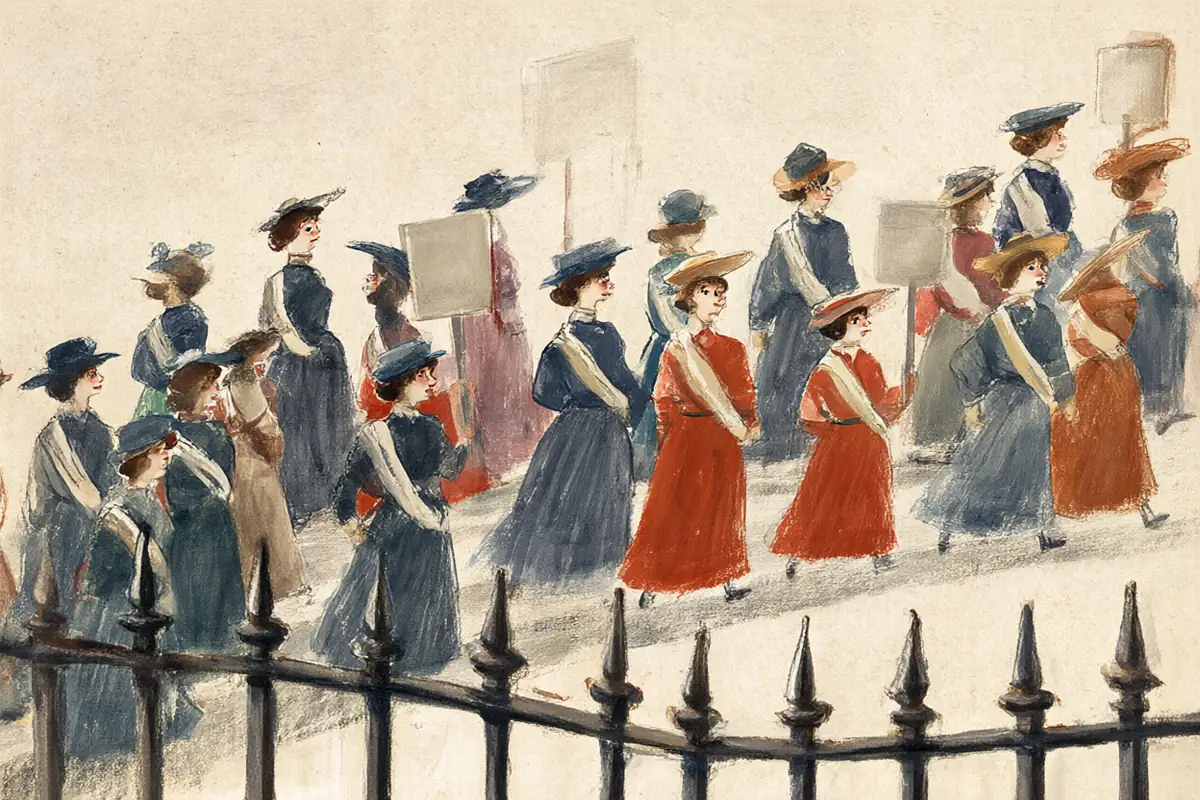
隨着工業城鎮變得富裕,城中的中產階級希望得到更多政治權力。1832年的《改革法令》(Reform Act)讓更多人獲得投票權,但投票仍然取決於是否擁有財產。憲章派(Chartists)為工人向國會(Parliament)遞交請願書,1867年通過了第二部《改革法令》,但大部分男人和所有女人仍然不能投票。在曼徹斯特(Manchester)出生的艾米琳·潘克赫斯特(Emmeline Pankhurst)在1903年協助成立婦女社會政治聯盟(Women's Social and Political Union),聯盟的婦女參政運動者(suffragettes)把自己鎖在欄杆上,又進行絕食。30歲以上的婦女在1918年獲得投票權,到了1928年,婦女像男人一樣在21歲就可以投票。
英文原文
The Long Fight for the Vote
As the industrial towns grew rich, their middle classes wanted more political power. The Reform Act of 1832 gave many more people the vote, but voting still depended on owning property. The Chartists sent petitions to Parliament for working people, and a second Reform Act came in 1867, yet most men and all women still could not vote. Emmeline Pankhurst, born in Manchester, helped found the Women's Social and Political Union in 1903, and its suffragettes chained themselves to railings and went on hunger strike. Women over 30 won the vote in 1918, and in 1928 women could vote at 21, like men.
檢驗一下
這一幕有 5 道題。你的答案會計入複習計劃。
正在載入題目…