ਅਧਿਆਇ 3 · ਦ੍ਰਿਸ਼ 12
ਰਾਜਾ ਬਨਾਮ ਪਾਰਲੀਮੈਂਟ
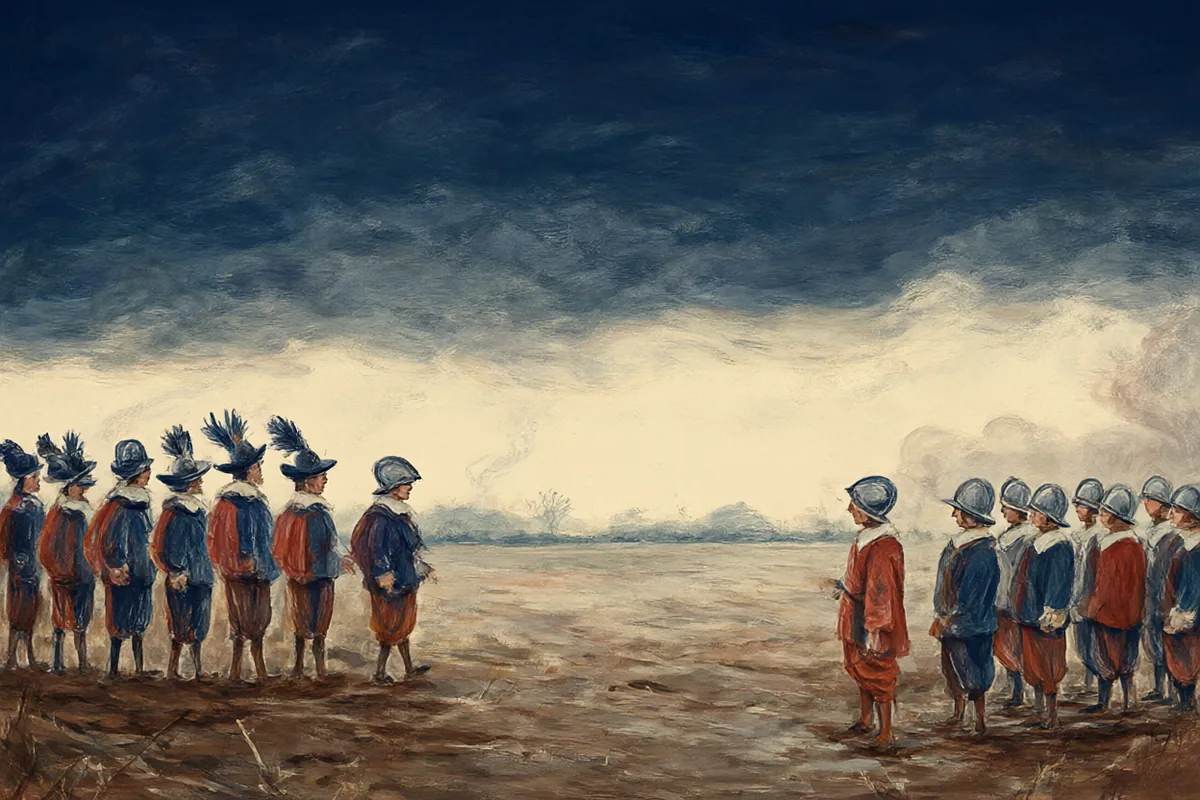
ਚਾਰਲਸ ਪਹਿਲਾ (Charles I) ਰਾਜਿਆਂ ਦੇ ਦੈਵੀ ਅਧਿਕਾਰ (Divine Right of Kings) ਵਿੱਚ ਵਿਸ਼ਵਾਸ ਰੱਖਦਾ ਸੀ: ਕਿ ਰੱਬ ਨੇ ਉਸ ਨੂੰ ਚੁਣਿਆ ਹੈ, ਇਸ ਲਈ ਉਹ ਪਾਰਲੀਮੈਂਟ (Parliament) ਦੀ ਮਨਜ਼ੂਰੀ ਤੋਂ ਬਿਨਾਂ ਰਾਜ ਕਰ ਸਕਦਾ ਹੈ। ਇੱਕ ਵਾਰ ਉਹ ਹਾਊਸ ਆਫ਼ ਕਾਮਨਜ਼ (House of Commons) ਦੇ ਪੰਜ ਆਗੂਆਂ ਨੂੰ ਗ੍ਰਿਫ਼ਤਾਰ ਕਰਨ ਲਈ ਉੱਥੇ ਦਾਖ਼ਲ ਹੋਇਆ, ਪਰ ਉਨ੍ਹਾਂ ਨੂੰ ਪਹਿਲਾਂ ਹੀ ਚੇਤਾਵਨੀ ਮਿਲ ਗਈ ਸੀ, ਅਤੇ ਉਸ ਤੋਂ ਬਾਅਦ ਕਿਸੇ ਵੀ ਸ਼ਾਹੀ ਸ਼ਾਸਕ ਨੇ ਉੱਥੇ ਪੈਰ ਨਹੀਂ ਰੱਖਿਆ। 1642 ਵਿੱਚ ਰਾਜੇ ਦੇ ਹਮਾਇਤੀ ਕੈਵਲੀਅਰਾਂ (Cavaliers) ਅਤੇ ਪਾਰਲੀਮੈਂਟ ਦੇ ਹਮਾਇਤੀ ਰਾਊਂਡਹੈੱਡਾਂ (Roundheads) ਵਿਚਕਾਰ ਘਰੇਲੂ ਜੰਗ ਸ਼ੁਰੂ ਹੋਈ। ਮਾਰਸਟਨ ਮੂਰ (Marston Moor) ਅਤੇ ਨੇਜ਼ਬੀ (Naseby) ਵਿੱਚ ਹਾਰਾਂ ਤੋਂ ਬਾਅਦ, 1649 ਵਿੱਚ ਚਾਰਲਸ ਨੂੰ ਮੌਤ ਦੀ ਸਜ਼ਾ ਦਿੱਤੀ ਗਈ। ਇੰਗਲੈਂਡ (England) ਕਾਮਨਵੈਲਥ (Commonwealth) ਨਾਮ ਦਾ ਗਣਰਾਜ ਬਣ ਗਿਆ, ਅਤੇ ਓਲੀਵਰ ਕ੍ਰੌਮਵੈਲ (Oliver Cromwell) ਨੇ 1658 ਵਿੱਚ ਆਪਣੀ ਮੌਤ ਤੱਕ ਲਾਰਡ ਪ੍ਰੋਟੈਕਟਰ (Lord Protector) ਵਜੋਂ ਰਾਜ ਕੀਤਾ।
ਅੰਗਰੇਜ਼ੀ ਮੂਲ
King Against Parliament
Charles I believed in the Divine Right of Kings: that God had chosen him, so he could rule without Parliament's approval. He once entered the House of Commons to arrest five of its leaders, but they had been warned, and no monarch has set foot there since. In 1642 civil war began between the Cavaliers, who backed the king, and the Roundheads, who backed Parliament. After defeats at Marston Moor and Naseby, Charles was executed in 1649. England became a republic called the Commonwealth, and Oliver Cromwell ruled as Lord Protector until his death in 1658.
ਆਪਣੇ-ਆਪ ਨੂੰ ਪਰਖੋ
ਇਸ ਦ੍ਰਿਸ਼ ਬਾਰੇ ਸਵਾਲ: 5। ਤੁਹਾਡੇ ਜਵਾਬ ਤੁਹਾਡੀ ਦੁਹਰਾਈ ਯੋਜਨਾ ਵਿੱਚ ਜਾਂਦੇ ਹਨ।
ਸਵਾਲ ਲੋਡ ਹੋ ਰਹੇ ਹਨ…